
For Parents and Caregivers
Your child is about to embark on an exciting journey. Learning to play an instrument is fun, exciting and can lead to long term involvement in music that will enrich their life. There are many advantages your child acquires when they play an instrument.
Why Music?
Did you know this journey could potentially give them the skills to be more successful? Participating in music can support students’ creativity, confidence, collaboration, concentration, and sense of belonging. Research has also found positive associations between sustained arts participation and several educational and developmental outcomes.
We live in a society filled with music. Music is the most pervasive of the arts and is the most easily used for enjoyment and relaxation, and for study or participation. Understanding the role that music plays and being able to use it to express ourselves are important means of developing as human beings. Those who develop an understanding of how to make music are forever enriched by this experience.
Why This Method?
The Yamaha Advantage will provide your child with the kind of help necessary to learn and stay involved with music. We’ve created this website to be a companion to The Yamaha Advantage Band Method, the method your child’s teacher is using. On this site, your child will be able to find helpful tips to help them learn their instrument more easily. They will also be able to download music to play free of charge.
Frequently Asked Questions
Are there band pieces that correlate with The Yamaha Advantage?
Yes. There are currently 43 pieces that correlate to specific pages of the Primer, Book 1 and Book 2. You can hear MP3 files of all the pieces on the book-specific pages.
What is The Yamaha Advantage Primer?
The Yamaha Advantage Primer is an exciting addition to the Yamaha Advantage curriculum. Perfect for a summer program, wheel program, or younger beginner, this 16-page book introduces beginners to the basics of music and playing an instrument. From holding the instrument properly to producing a quality supported sound, this book is a great way to get your beginners ready for Book 1 of The Yamaha Advantage.
Where can I purchase The Yamaha Advantage Method Books and The Greatest Solo Songbook?
All of the books for The Yamaha Advantage Primer, Recorder, Book 1, Book 2 and The Greatest Solo Songbook are available. Please contact your local music dealer to place an order. If you have trouble finding the books, please email us at info@excelciamusic.com.
Are play-along accompaniments available?
All of the play-along accompaniments are available on this site for free to download as MP3 files. They were recorded by live professional musicians.
What if my students do not have access to the internet?
The Yamaha Advantage is designed to be a self-contained, comprehensive instructional method. This site is being offered as a supplement to the printed books. All of the material on this site will be available in other ways so that all students can take advantage of this material. For example, all of the fun songs and theory worksheets are authorized for duplication, and the accompaniments can be downloaded by your teacher and given to the students.
Is this book an update of the Yamaha Band Student?
There is no connection between THE YAMAHA ADVANTAGE, and the Yamaha Band Student, published in 1988.
Where can I purchase The Yamaha Advantage?
The Yamaha Advantage books are available from Excelcia Music Publishing.
Tips for Success
You play an important part in your child's success. During the first few months your enthusiastic support and reinforcement is necessary. Provide a quiet, well-lit, well-ventilated space for daily practice. Make sure there is a comfortable straight-back chair and a sturdy, adjustable height music stand. Set a convenient time schedule that, if possible, is the same every day. Be consistent; 15 minutes every day is better than an hour one day a week. Depending on the instrument, just holding it properly can be tiring. Developing an embouchure uses new muscles and can be uncomfortable in the beginning. That's why short practice sessions and lots of encouragement are so important.
Your child wants you to share in their success. Attend demonstration concerts and full performances and whenever possible. Take your child to performances of other musical groups.
Advocate for music in your schools. Current research proves that music participation will help your child in all disciplines and in life. Become familiar with this information available on the NAfME website and other websites and become an outspoken supporter of music education.
Make sure your child's instrument is always in proper working order. See pages 2 and 3 of The Yamaha Advantage Method Book or download the Instrument Care information for your child's instrument from the Extras page. If problems arise, take the instrument to your child's band director or to the local music shop for professional repairs. It is very frustrating to play on an instrument that is not functioning properly.
Getting Started: Great Expectations and Rewards
Reprinted from Great Beginnings, a band recruitment package from Yamaha.
Research has indicated that the study of music has long-term benefits for children who participate. Those who have studied music have 10 to 30% higher scores on standardized achievement tests (such as the ACT or SAT exams), higher graduation rates, greater abilities, at reading, math comprehension and abstract reasoning, improved expressive skills, and greater self-discipline. They also tend to demonstrate greater linguistic and writing composition ability, higher level critical thinking skills, and are more creative in personal expression and problem solving. Noted Harvard researcher Howard Gardner has identified seven regions of the brain that develop specific areas of natural intelligence as part of cognitive development: linguistic, mathematical, spatial, musical, kinesthetic, visual and social. Of these, music is the only natural intelligence that requires the use of all the other forms of intelligence. In other words, perceiving, understanding and using music is an important part of whole brain development.
The Role of a Parent
As a parent, it is not important for you to have previous experience with musical study. If you have, you will understand the challenges, enjoyment and effort your child will experience through the study of a musical instrument. Your role as your child begins with studying instrumental music is simple-be supportive. You don't need to know how to play an instrument to help your child learn. Just as a baby struggles with the frustration of not being able to walk or talk easily, so too do young instrumental students struggle with the first efforts at playing their instrument. Let's face it, they are using reading, motor and cognitive skills they've never had to use all at the same time before. Here are some simple suggestions for your child.
Show Encouragement
Encourage your child to keep going, even when it seems difficult. Remind them that they couldn't walk or talk the first time they tried and that it took practice to hit a ball, or ride a bicycle.
Be Patient
Early sounds are often not very musical. It will only take a little time before your child is playing familiar songs. You must understand that and help your child understand also. Doing anything well takes time, practice and perseverance, from art to sports to music.
Be Supportive
Results in anything come gradually. As our increasingly technological society helps us achieve results faster and faster, students must learn that some things still take time. Show them early versions of their handwriting and drawing, or watch a video of them learning to ride a bike. This will help you become an ally in the musical learning process. Let them know when you hear improvement in their daily practice. Having someone who can empathize with and reward them is an important part of the student/parent teamwork needed in either music or sports. Attend school concerts your child participates in, and be sure to seek out the music teacher during parent/teacher conferences.
Help Them Practice
Practice is like the homework students bring home in other subjects. It's the way in which they gain increasing skills and abilities. Although you may not know what or how they should practice, you can still play an important role. Practice should be in a private place, away from family members or distractions, cell phones, computers, television, and friends. The best place to practice is in a well-lit and quiet place. A proper music stand, straight-backed chair and good lighting are also important. Students should plan a minimum of 15 minutes, but ideally 30 minutes into their schedule for practice. That's their investment. You need to guarantee your investment by helping them make that daily commitment.
Show Resolve
When you hear frustration in such phrases as "I want to quit" or "I sound awful," discuss why those feelings occur. Don't take the path of least resistance and let your child quit too early in the experience. Discuss these issues with your child's teacher, and set help them establish realistic goals in order to achieve before they make the difficult decision to quit.
Work With Your Child's Teacher
Establish good communication with the music educator teaching your child. You should expect progress reports from them at regular intervals. These teachers will want to hear from you too, so that both positive achievement and possible problems can lead to a successful instrumental music experience.
Choosing an Instrument
No musical instrument is easier to play than another. They all have differing challenges. There are many considerations in choosing an instrument that should be discussed with your teacher. Determine the right instrument for your child based on comfort, ergonomics, and interest. Trying multiple instruments can also help your child find what will work best for them. Sometimes students will start one instrument and then later switch to another instrument that better suits them. Here are a few considerations...
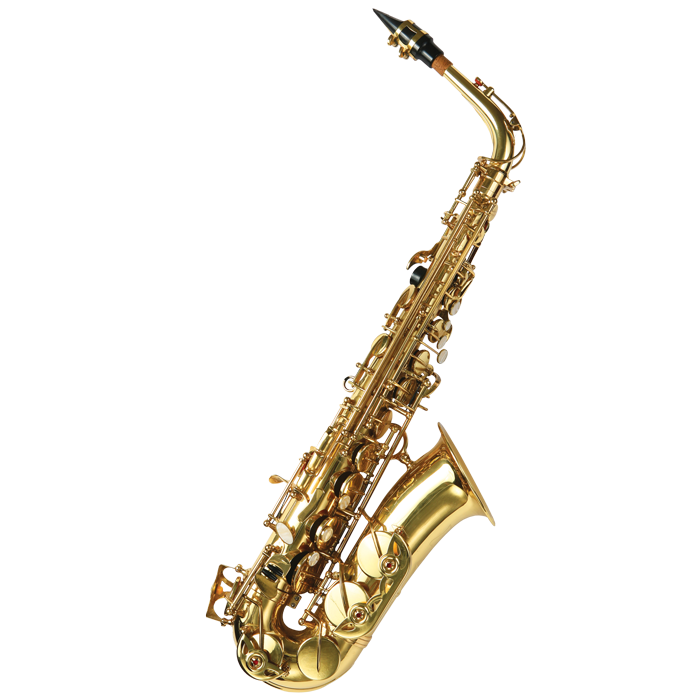
Alto Sax
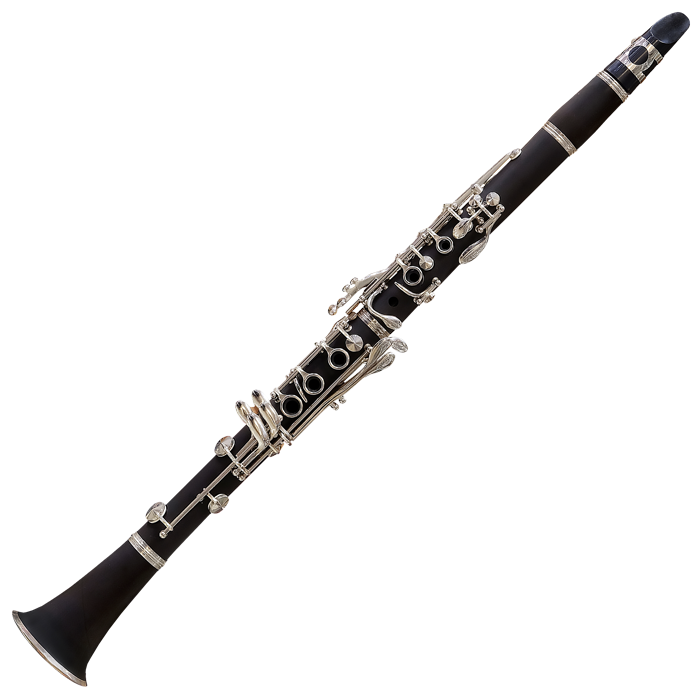
Clarinet
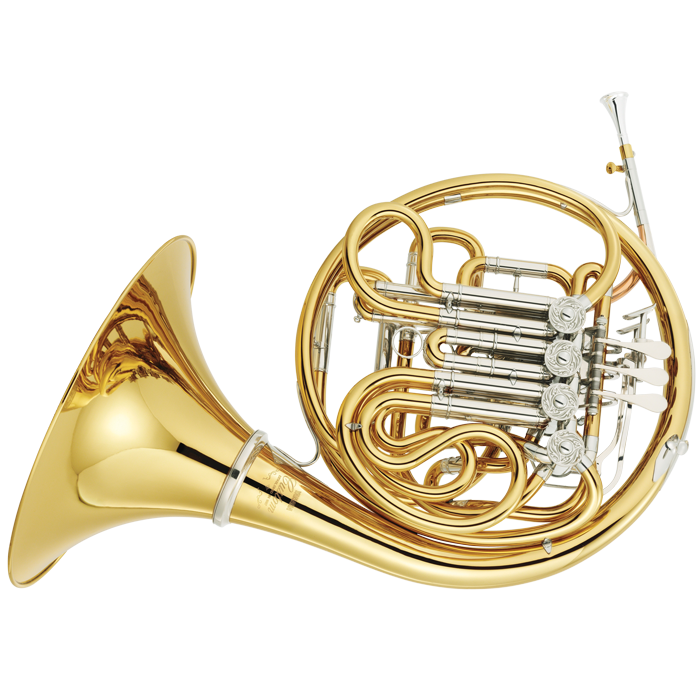
French Horn
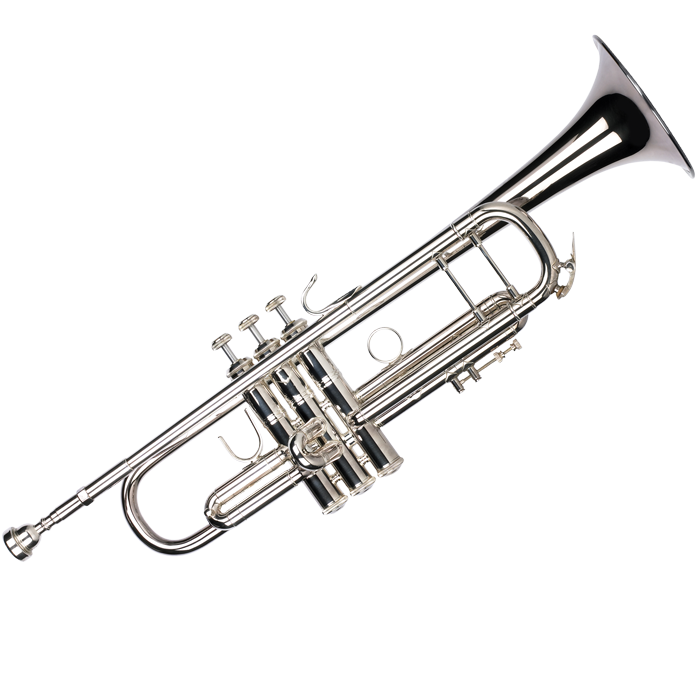
Trumpet
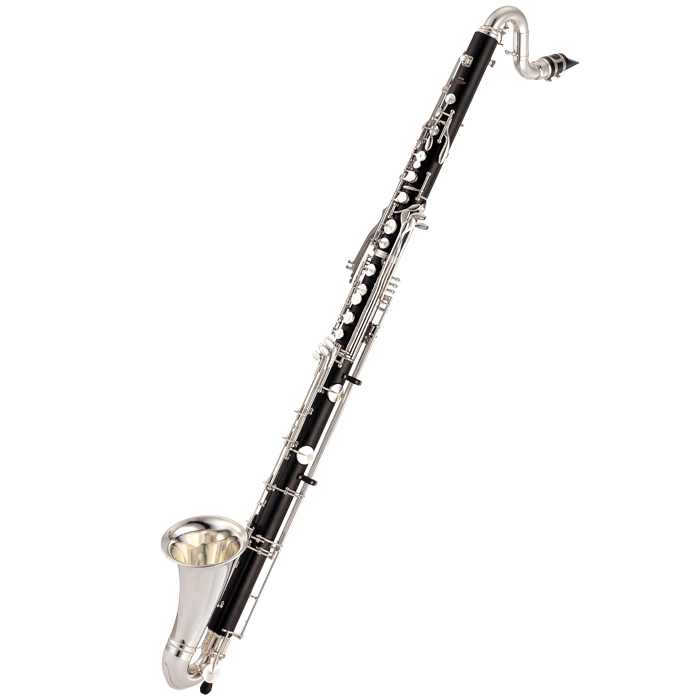
Bass Clarinet
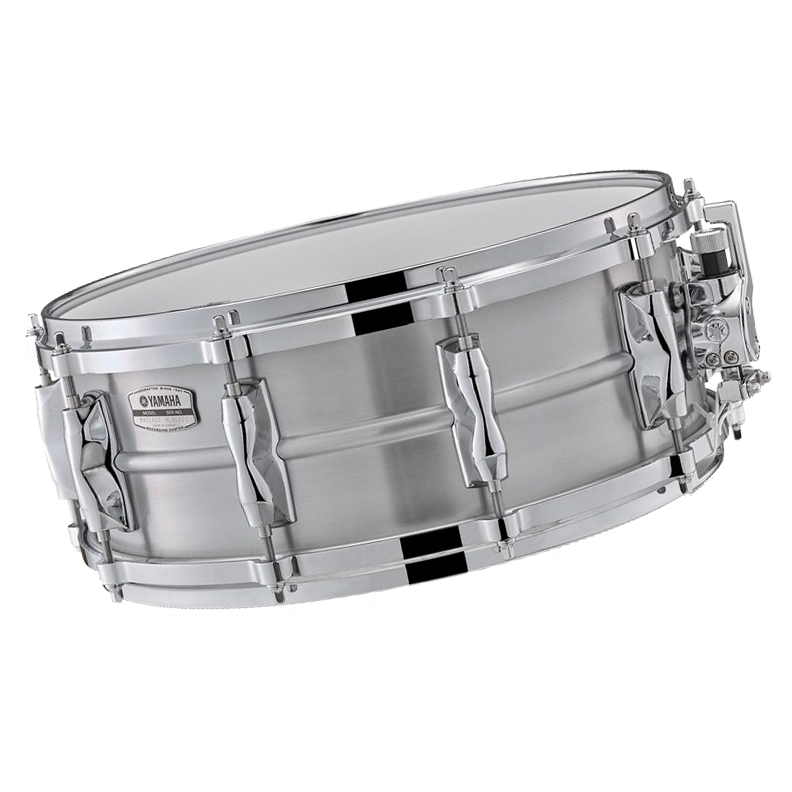
Snare
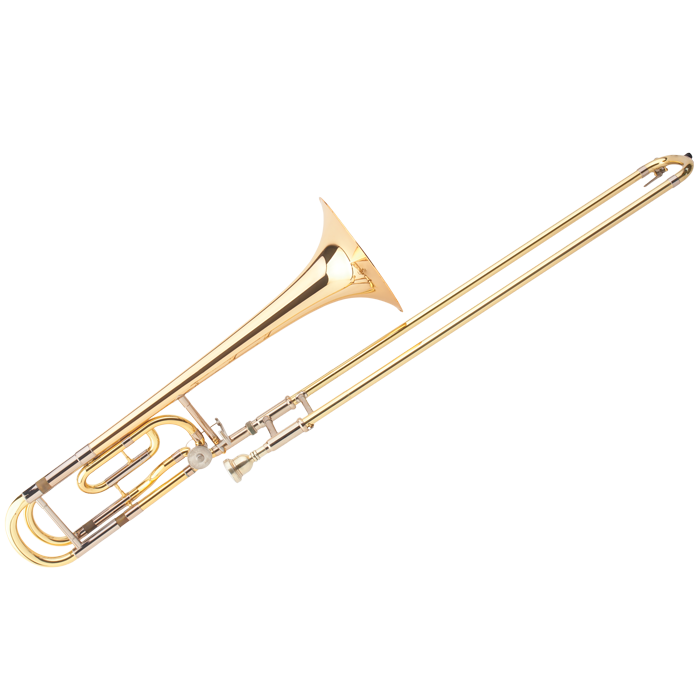
Trombone
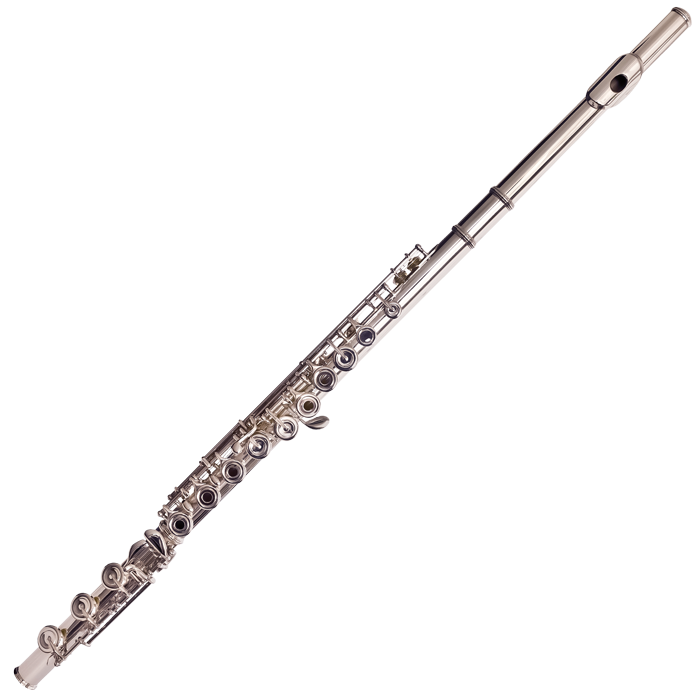
Flute
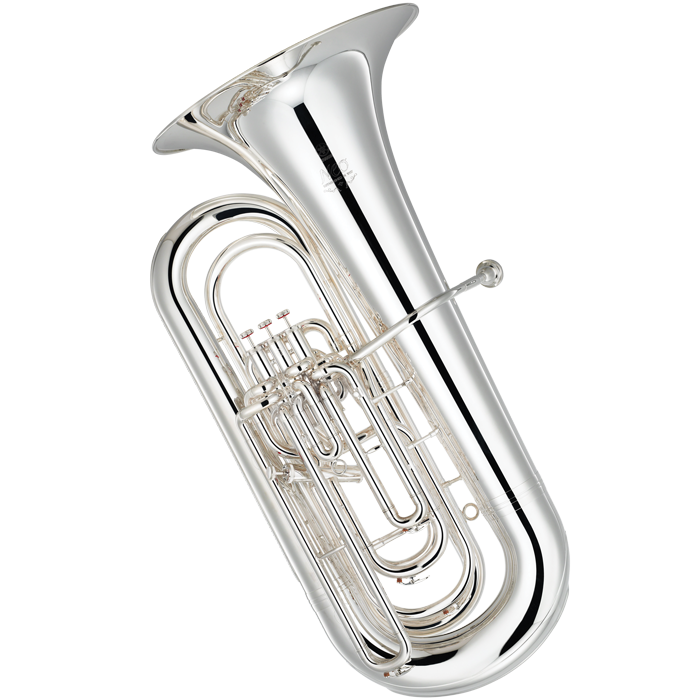
Tuba
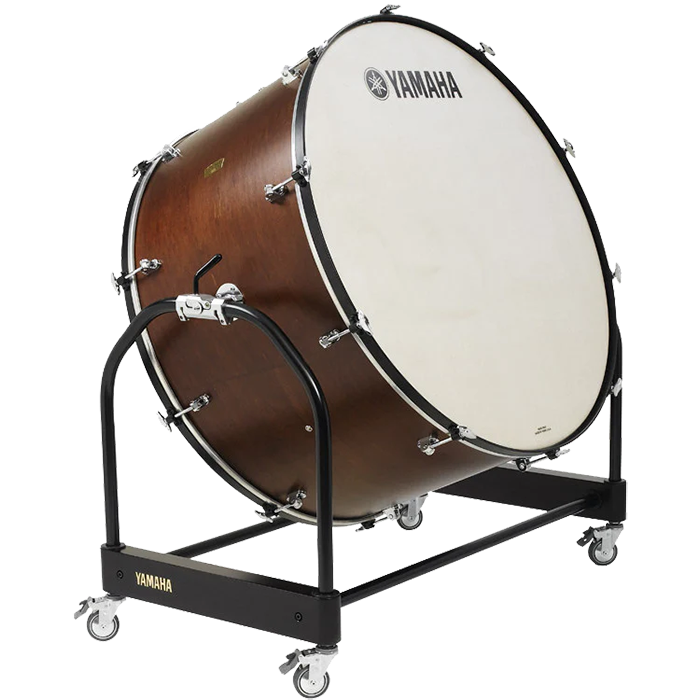
Bass Drum
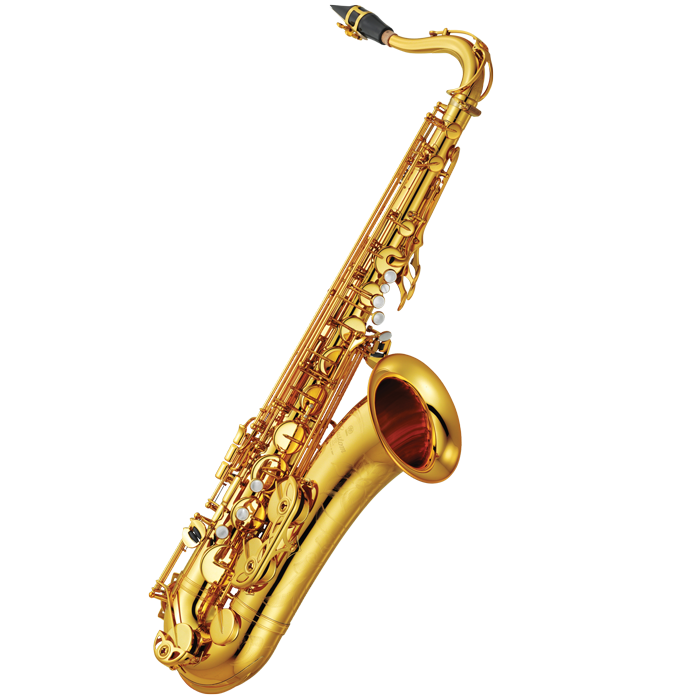
Tenor Sax
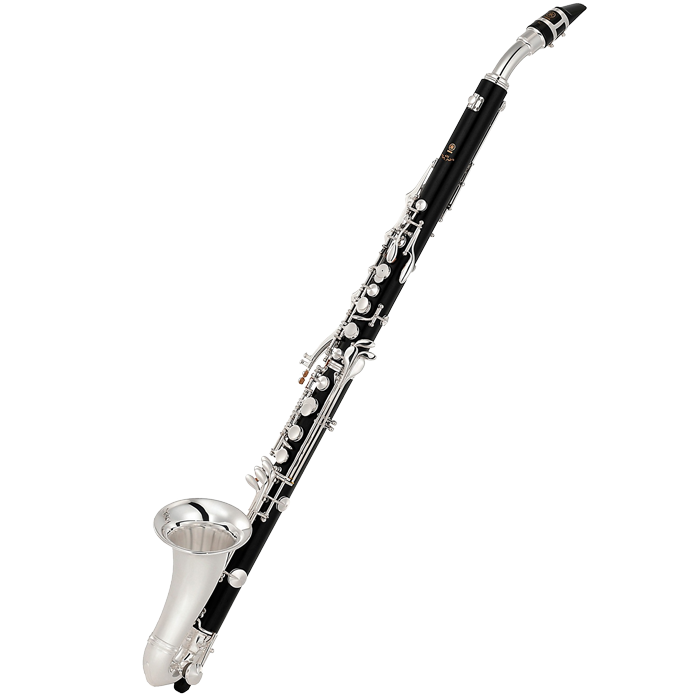
Alto Clarinet
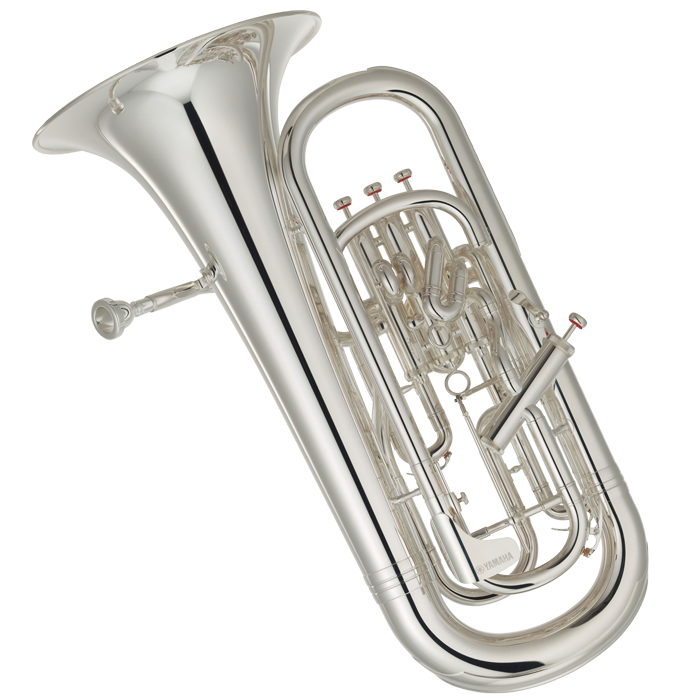
Baritone
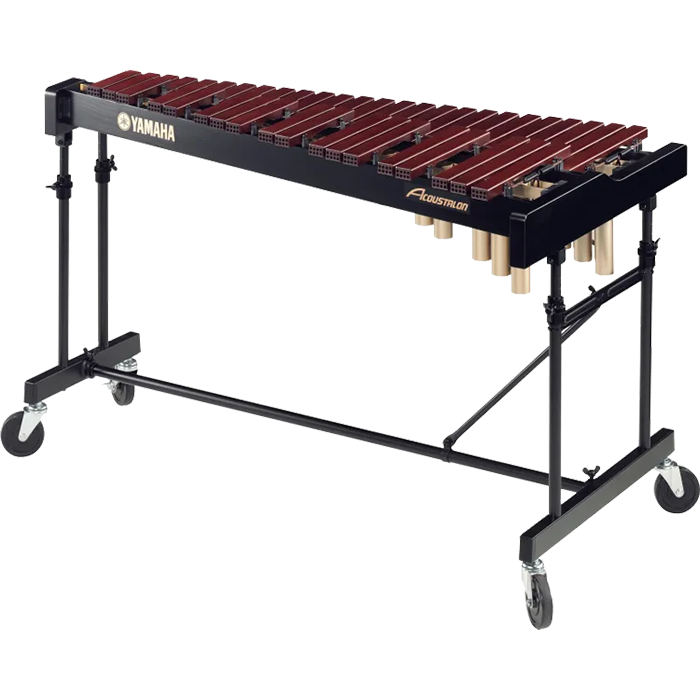
Xylophone
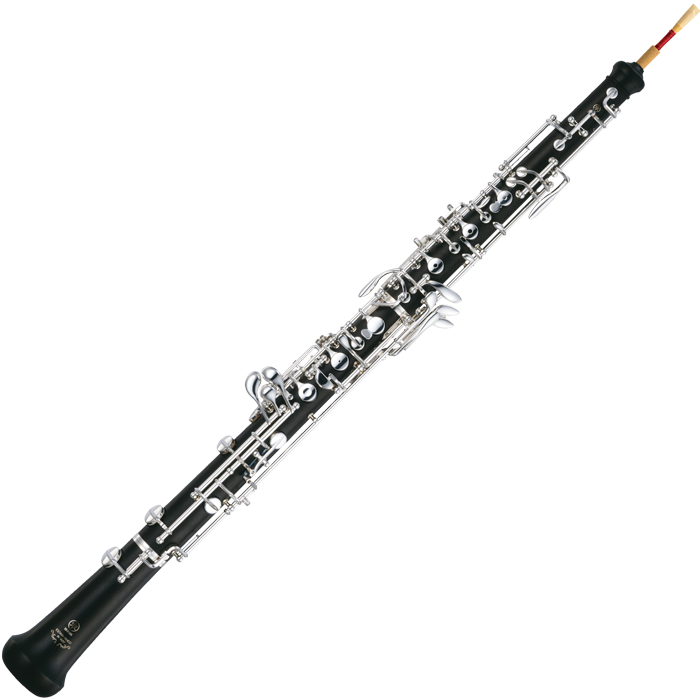
Oboe
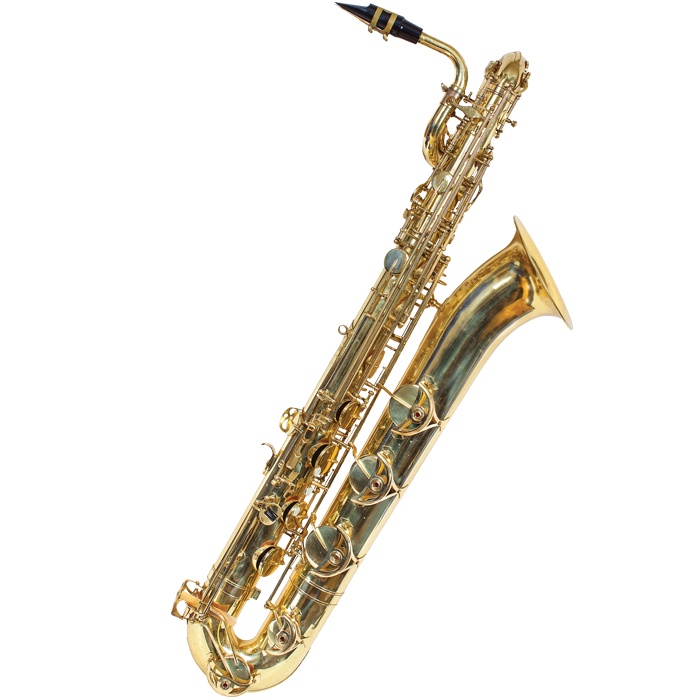
Bari Sax
Desire
Be honest with your child. Playing an instrument is fun and rewarding, and it will take time, effort and patience. Make sure you have talked with your child about the entire program.
Choice
Many students want to play the instrument of their dreams. Their interest plays an important part in the instrument selection process, and in later motivation. But parents have a responsibility to help their child realize that certain factors can work against a student being successful on some instruments. Spend time talking about what instrument your child is interested in playing, and why. Then, work with your child's instructor to determine the best choice. One based on good reasons. After all, band is made up of many different instruments, and not everyone can play the same instrument.
Physical Requirements
Playing an instrument is a physical experience. The shape of lips, hands and fingers, formation of teeth and jaw, and use of braces all contribute to initial success on an instrument. Your child's instrumental music teacher will discuss the importance of these in the instrument your child chooses to play.
Musical Aptitude
All students appreciate and enjoy music, but everyone has a different aptitude for music. Your child's music teacher may have administered tests to determine these aptitudes in your child. Work with the teacher to understand how that ability may translate into your child's personal success.
Obtaining an Instrument
Once a decision has been made for your child to play a particular instrument, you'll need to go about obtaining one. Some school districts will provide certain instruments. Or, you may be asked to obtain an instrument for your child. Much of this information will be given during the band registration period.
- Whether you rent or purchase an instrument from a reputable music dealer, or have access to a used instrument in the family, be sure that you obtain an instrument that has high durability and is in good repair. An instrument that doesn't work properly may cause problems for a child.
- Price is important, but so is resale. Choose an instrument that will retain its value over the long haul, not just because it is initially far cheaper than others.
- You can't win an auto race if the car is in bad shape. If you choose a used instrument, be sure that it has been thoroughly checked out by a certified repair technician. There is nothing more frustrating for a student than having difficulty playing on an instrument that may not be in good working condition.
- Be sure to emphasize to your child the proper care and maintenance of the instrument at all times. Your child's teacher will review this during the first few class sessions. There are some easy ones to remember:
- Always place the instrument in the case when not in use. Leaving it on a bed, chair, or propped against the wall is a certain formula for disaster.
- Use oils, grease, or other lubricants as instructed by your child's instrumental music teacher. Get in the habit of regular maintenance, which will help the instrument last for years of trouble-free playing.
- Never let the other children, family members, or friends hold or play the instrument "just for fun." This almost always leads to "accidents."
- Never have a parent or caregiver "fix" an instrument that appears to be broken or inoperable. Wait for an instructor to help during class, or take it to an authorized dealer where a qualified repair technician can look at the instrument.