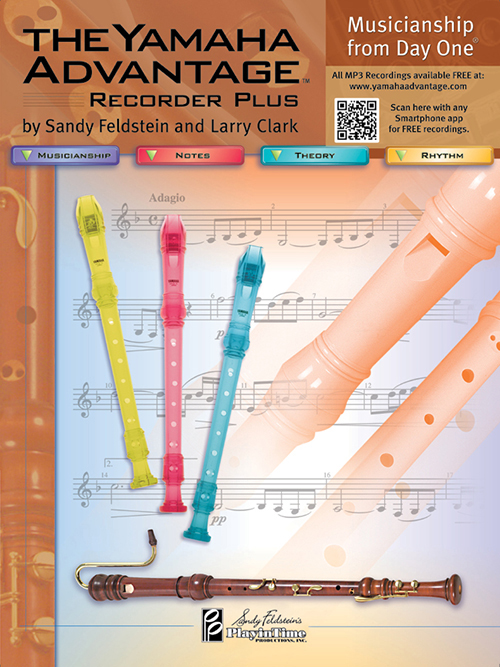
The Yamaha Advantage Recorder Plus
- Pre Instrument course with the same methodology as the band method
- Includes introductions to all major band instruments and Violin
.
Pages 3
Pages 4 & 5
Pages 6 & 7
Pages 10 & 11
Pages 12 & 13
28 - MEET THE INSTRUMENTS
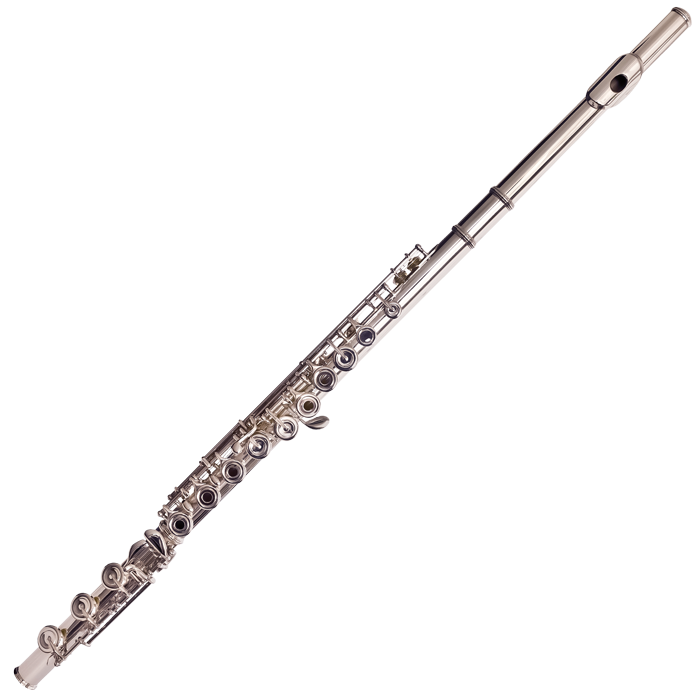
The FLUTE, which is made of metal, is a member of the woodwind family and plays the high notes in band and orchestra music. The flute is played by blowing across the open hole in the mouthpiece , much like you might blow across the top of a bottle to make a sound. The air that goes into the instrument vibrates to produce the flute sound. To play sounds (notes) that are higher or lower, you release or depress the keys.
Pages 14 & 15
Pages 16 & 17
38 - MEET THE INSTRUMENTS
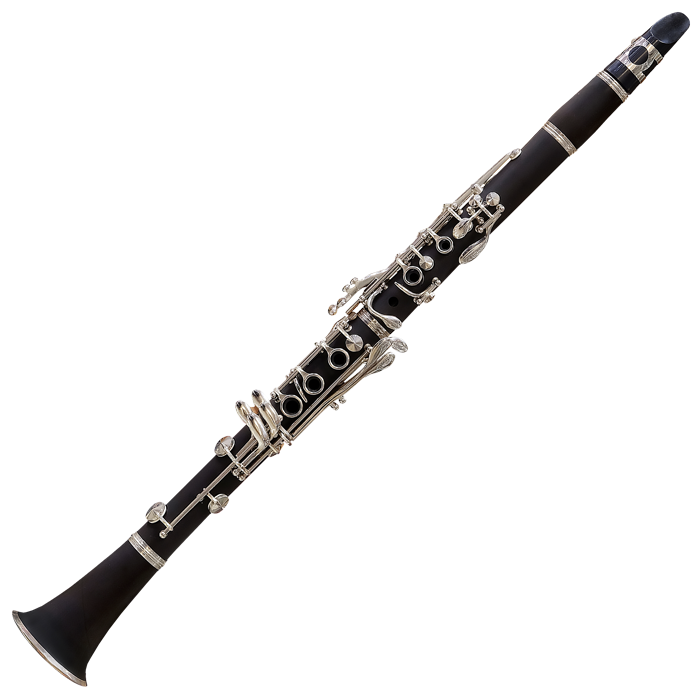
The CLARINET, which is made of wood, is a member of the woodwind family. The clarinet is played by blowing across a reed made of wood (cane), which is attached to the mouthpiece. The reed vibrates and sends the vibrations through the instrument to produce the clarinet sound. To play sounds (notes) that are higher or lower, you release or depress the keys.
Pages 18 & 19
Pages 20 & 21
46 - MEET THE INSTRUMENTS
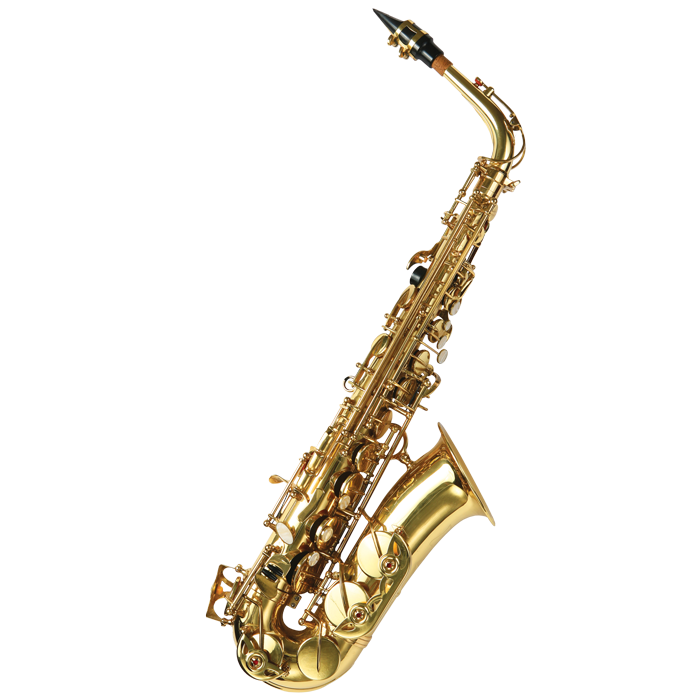
The SAXOPHONE, which is made of brass, is a member of the woodwind family. Like the clarinet, the saxophone is played by blowing across a reed made of wood (cane), which is attached to the mouthpiece. The reed vibrates and sends the vibrations down through the instrument to produce the saxophone sound. To play sounds (notes) that are higher or lower, you release or depress the keys.
Pages 22 & 23
51 - MEET THE INSTRUMENTS
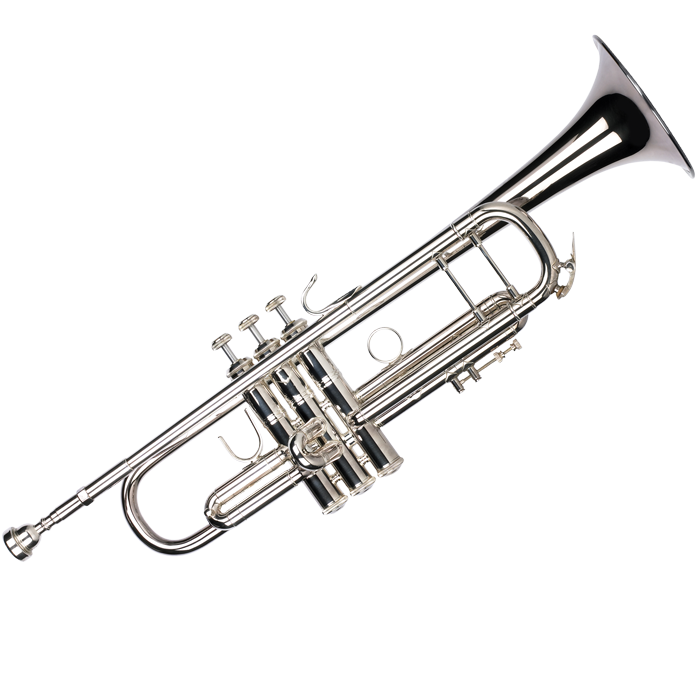
The TRUMPET, which is made of brass, is a member of the brass family. It is played by buzzing the lips in the mouthpiece. The vibration of the lips sends vibrations down into the instrument to produce the trumpet sound. To play sounds that are higher or lower, you release or depress the valves.
Pages 24 & 25
58 - MEET THE INSTRUMENTS
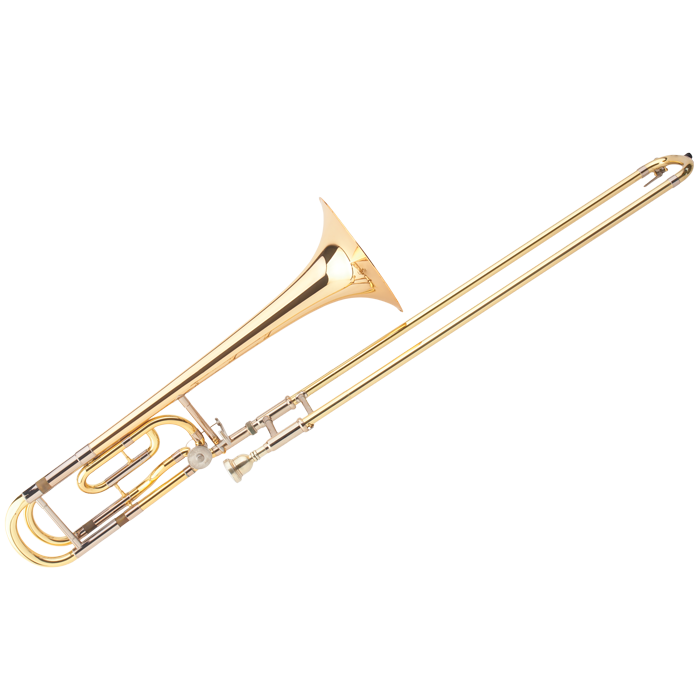
The TROMBONE, which is made of brass, is a member of the brass family. Like the trumpet, it is played by buzzing the lips in the mouthpiece. The vibration of the lips sends the vibrations into the instrument to produce the trombone sound. To play sounds (notes) that are higher or lower, you move the slide in or out.
Pages 26 & 27
64 - MEET THE INSTRUMENTS
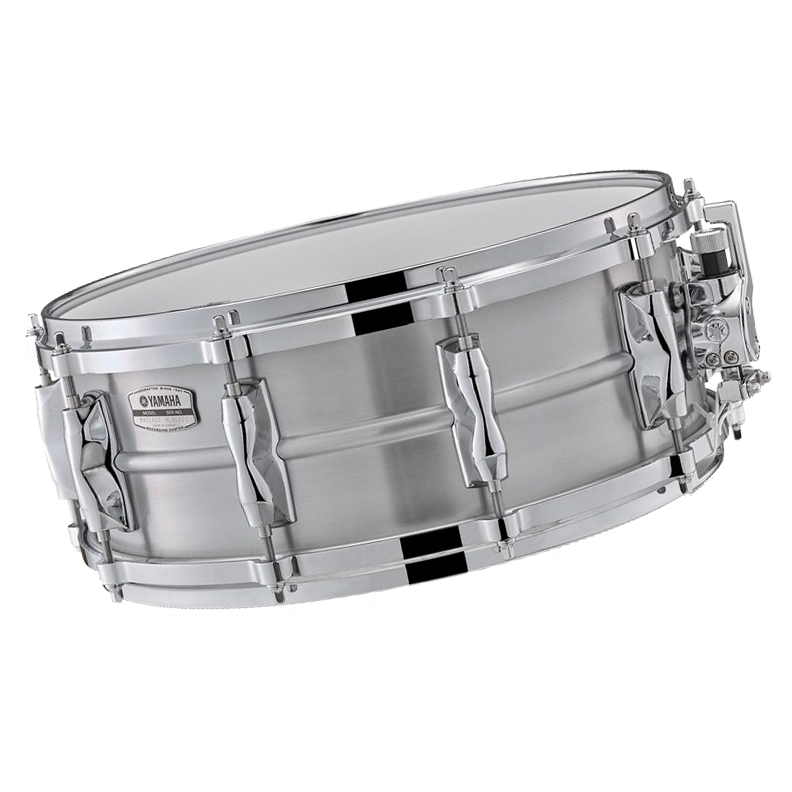
The SNARE DRUM is made of wood or metal. It has a drum head on both the top and bottom. It also has wire snares which lightly touch the bottom head. It is played by striking the top head with a stick. The head vibrates and sends the vibrations through the drum to the bottom head which also vibrates, causing the snares to vibrate and produce the snare drum sound.
Pages 28 & 29
70 - MEET THE INSTRUMENTS
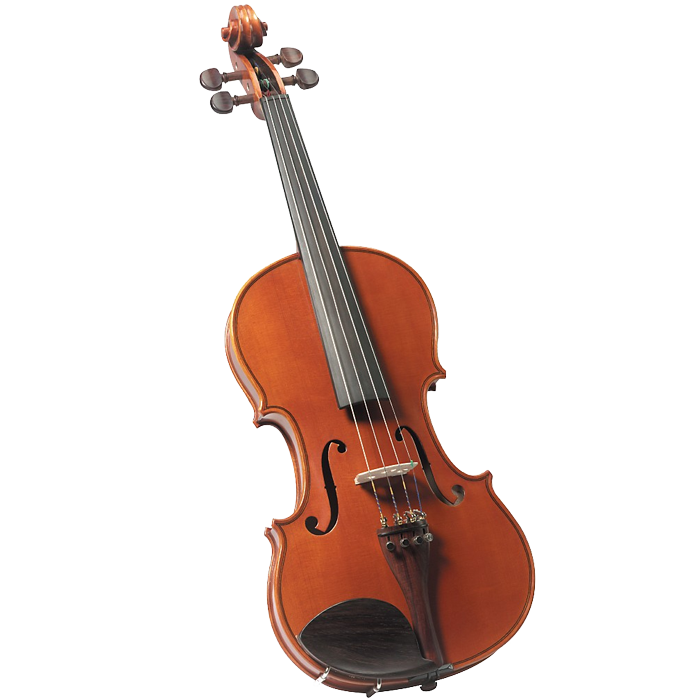
The VIOLIN is made of wood with four strings attached. It is a member of the string family and plays the high notes in the orchestra. It is played by plucking the strings with the finger (like a guitar) or by drawing a bow across them. The strings vibrate to produce the violin sound. To play sound (notes) that are higher or lower, you depress the strings at different points.